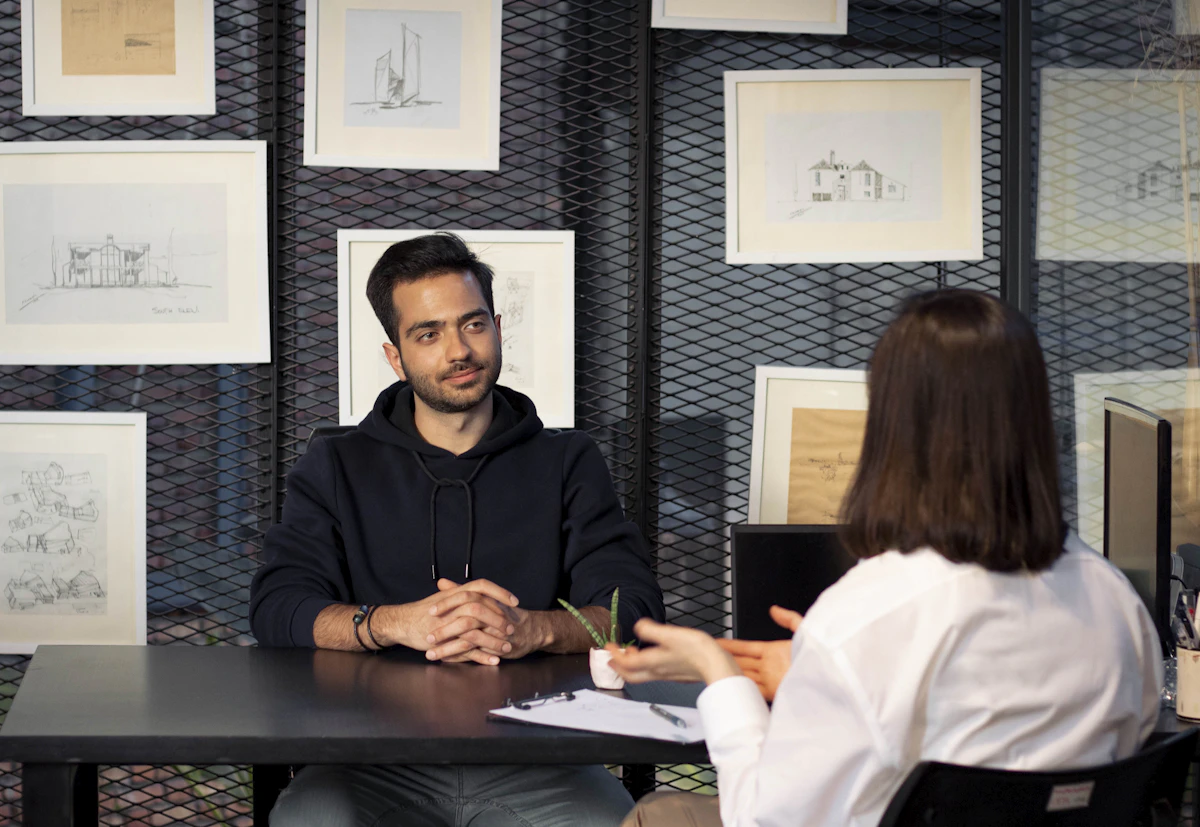

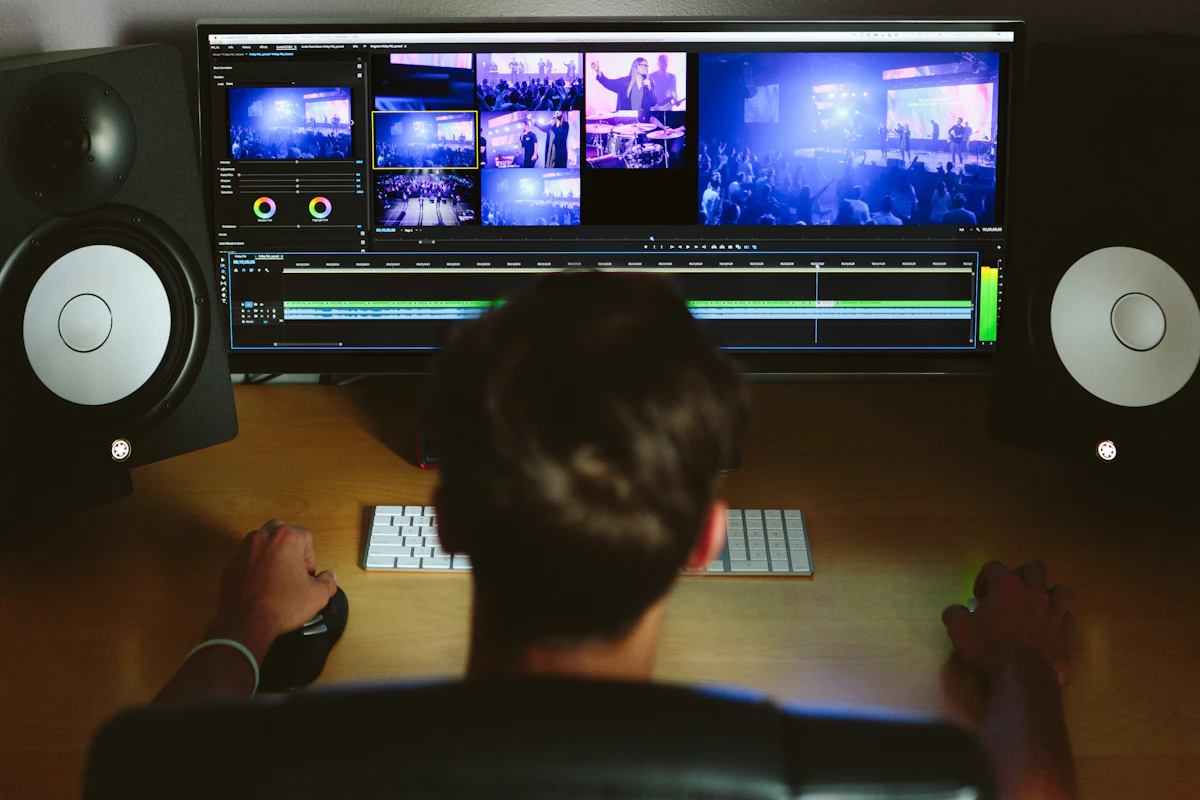
In much business video, the transcript has become the most important file in the project. That needs qualifying: it holds for interviews, webinars, explainers and talking-head content, not for music-led or heavily visual work, where the timeline still rules.
Editing video by deleting words in a transcript is no longer novel. Descript was built around it, and Adobe has offered text-based editing in Premiere Pro since 2023. What gets less attention is where the effort goes once assembling the rough cut becomes the quick part.
It moves to the seams. A cut that reads cleanly on the page can land mid-breath, jump an eyeline, or join two sentences delivered at different pitches. The transcript shows what was said; it hides how it was said.
The rough cut got faster; the polish did not.
That changes who does what. A producer or writer can now shape the story before an editor touches it, and the editor's time shifts towards repairing joins, covering them with cutaways and fixing pacing. It also changes filming: interviewees who answer in complete, self-contained sentences give you far more usable cuts.
Try this on your next interview video: build the rough cut entirely from the transcript, then count how many joins need fixing on the timeline. That number tells you how much editor time to budget, and whether to change how you brief interviewees.